Teen Skills Lab
Making connections, building confidence, strengthening community.
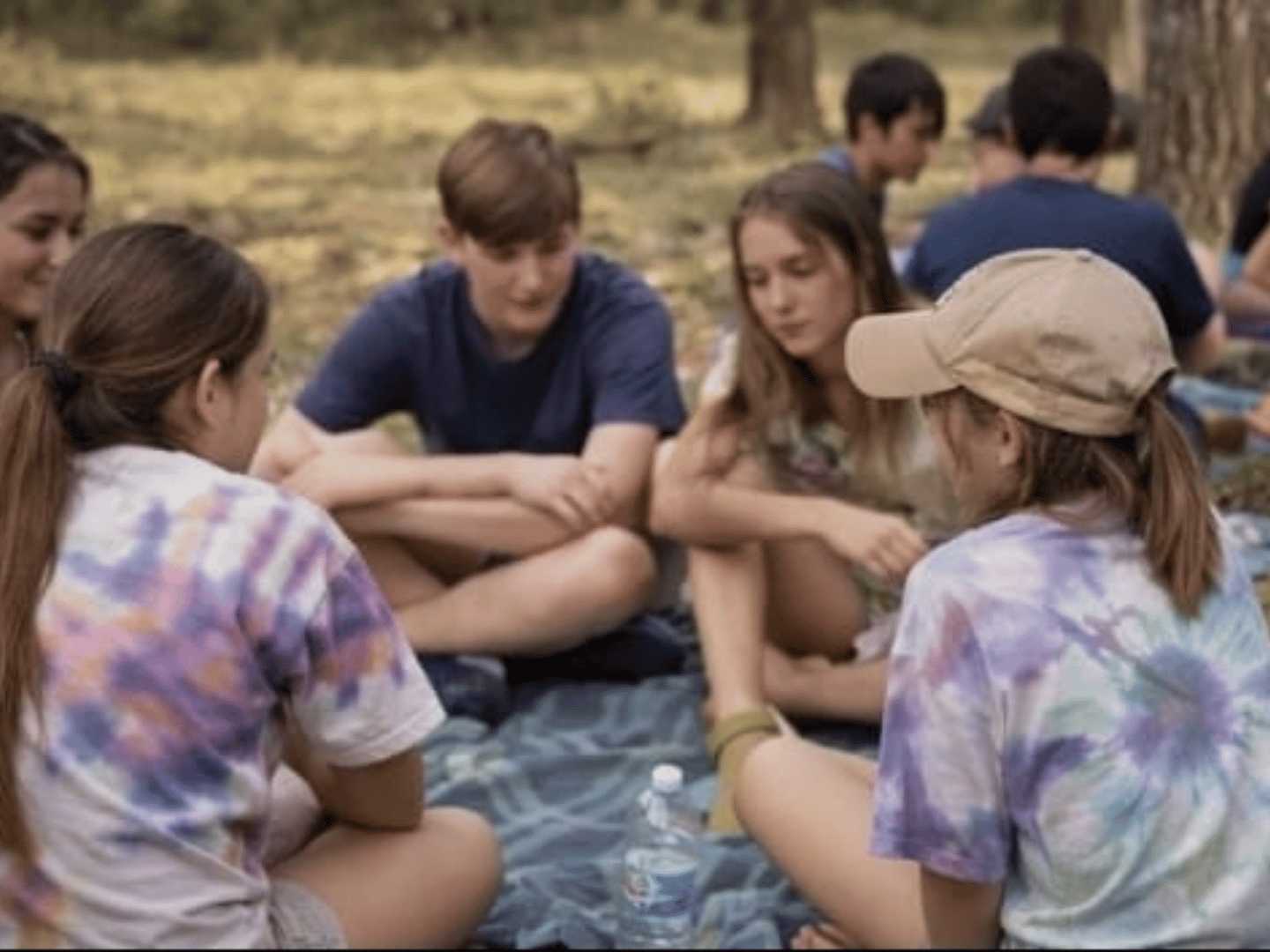
Mentor-led workshops for 11-13 year olds – developing life skills through games and guided processes.
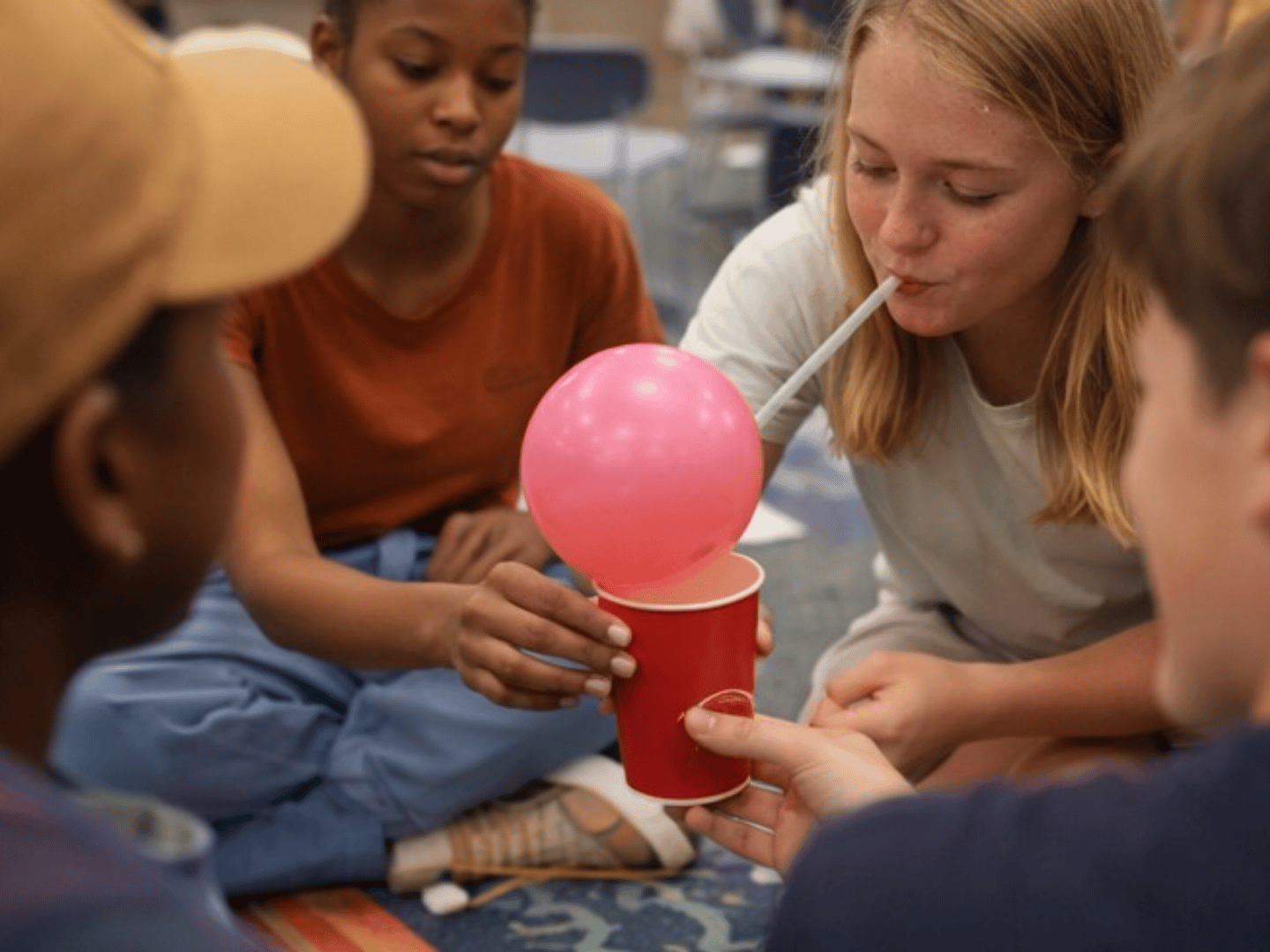
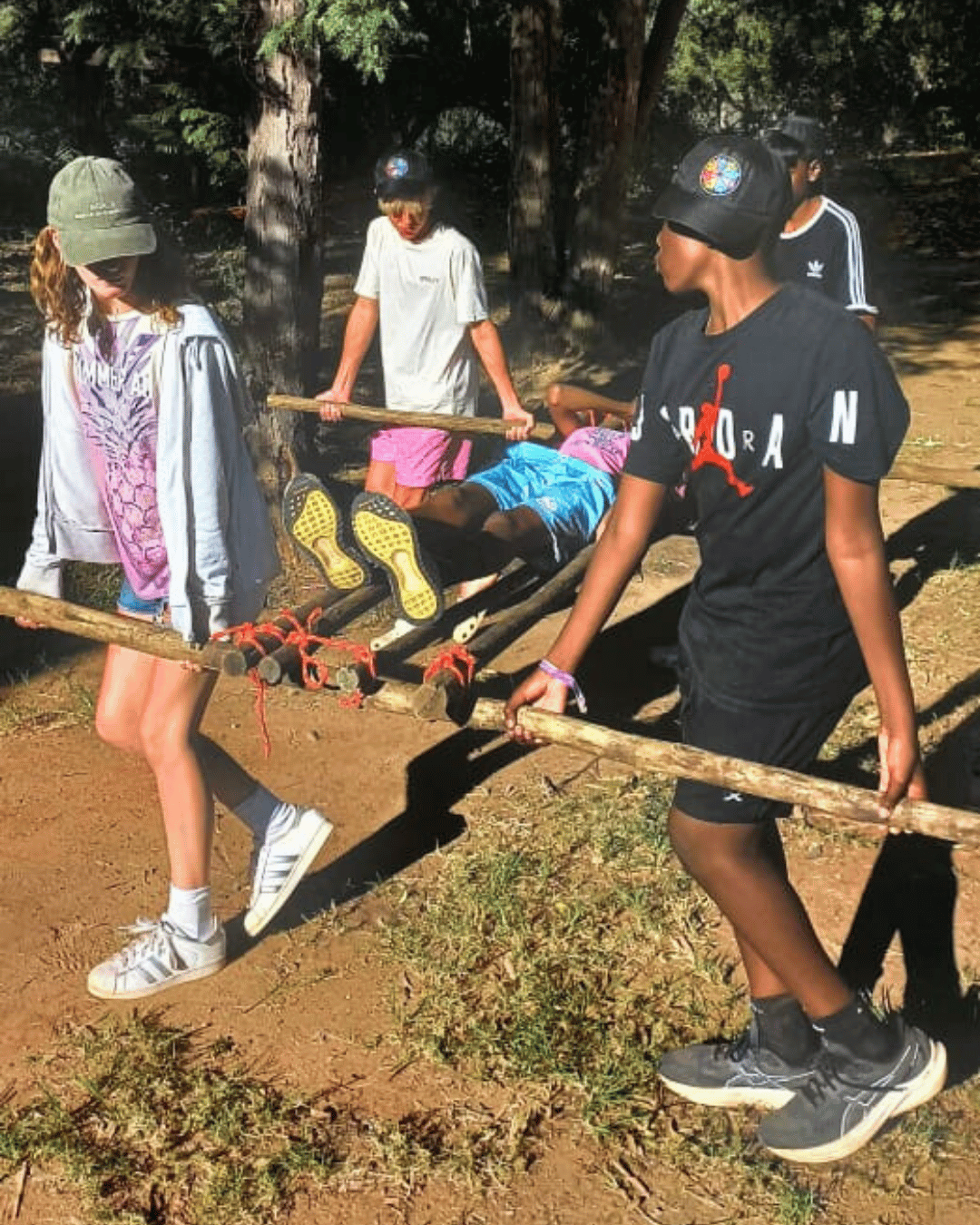
Teen Skills Lab is a monthly, hands-on workshop series designed to strengthen the everyday skills teens use in school, friendships, sports and family life — including communication, collaboration, problem-solving and healthy conflict.
Each session is complete in itself and blends interactive group challenges with guided discussion so teens don’t just “do an activity,” but understand what helped their team work well and how they can apply those skills outside the workshop.
Teams explore
- Effective Communication
- Conflict & Repair
- Problem-Solving
- Resourcefulness
- Collaboration
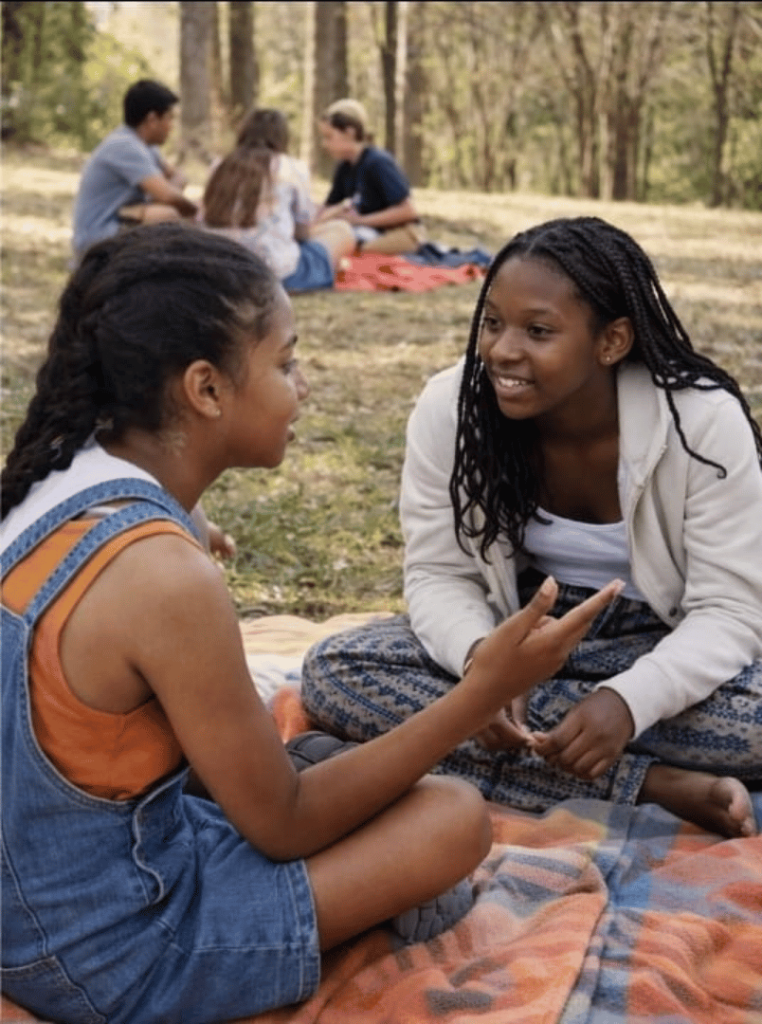
This project is made possible by volunteers and donations from the community.
Click here to donate, we appreciate your support.
Peer Mentoring Model
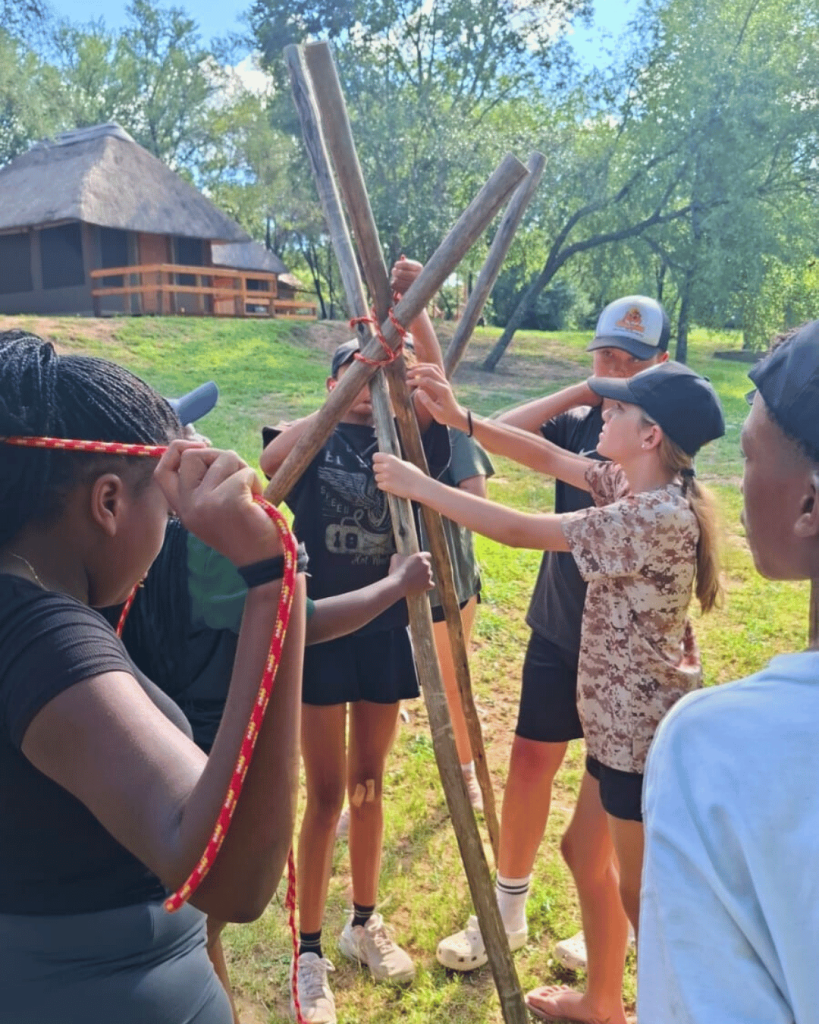
Our mentoring model pairs older teens with younger teens so learning feels relatable, encouraging, and real. Older teens help lead team-building activities with younger participants, modelling kindness, positive participation, and how to include others—especially when something feels awkward or challenging.
Younger teens get the benefit of learning from peers they naturally look up to, while older teens strengthen their own leadership, responsibility, and communication by guiding groups in a calm, supportive way.
Feedback & Reflection
A key part of each session is feedback and reflection: teens are guided to think about how their team communicated, how decisions were made, and what they would try differently next time.
We prioritise a safe and respectful atmosphere with clear boundaries, inclusive participation, and facilitated reflection—so teens feel comfortable contributing, making mistakes, and learning from each other.
Our Goal
The aim is to help teens translate the experience into everyday situations—working better in group projects, handling stress and disagreements more calmly, building confidence in clubs or sports teams, and interacting with others in a more thoughtful, responsible way.
Sessions are supportive and practical rather than lecture-based: teens learn by doing, trying, noticing, and improving.
2026 Session Schedule
Last Sunday of Each Month | 12:00 PM – 2:00 PM
29 March
Connection, Inclusion, and Perspective-taking
Our welcome session. Through fun getting-to-know-you games and a guided team process, teens practise building real connection—learning about each other beyond first impressions, noticing how different people experience the same moment, and using simple “include and invite” habits so everyone feels seen, welcomed, and part of the group from the start.
26 April
Effective Communication
Through a short team challenge, teens practise clear communication—listening well, explaining ideas, and getting on the same page when messages are unclear or incomplete.
31 May
Problem-Solving & Adaptability
Through a fast-paced challenge, teens practise flexible thinking—trying a plan, learning from what happens, and adjusting quickly when things don’t go as expected.
28 June
Creativity & Resourcefulness
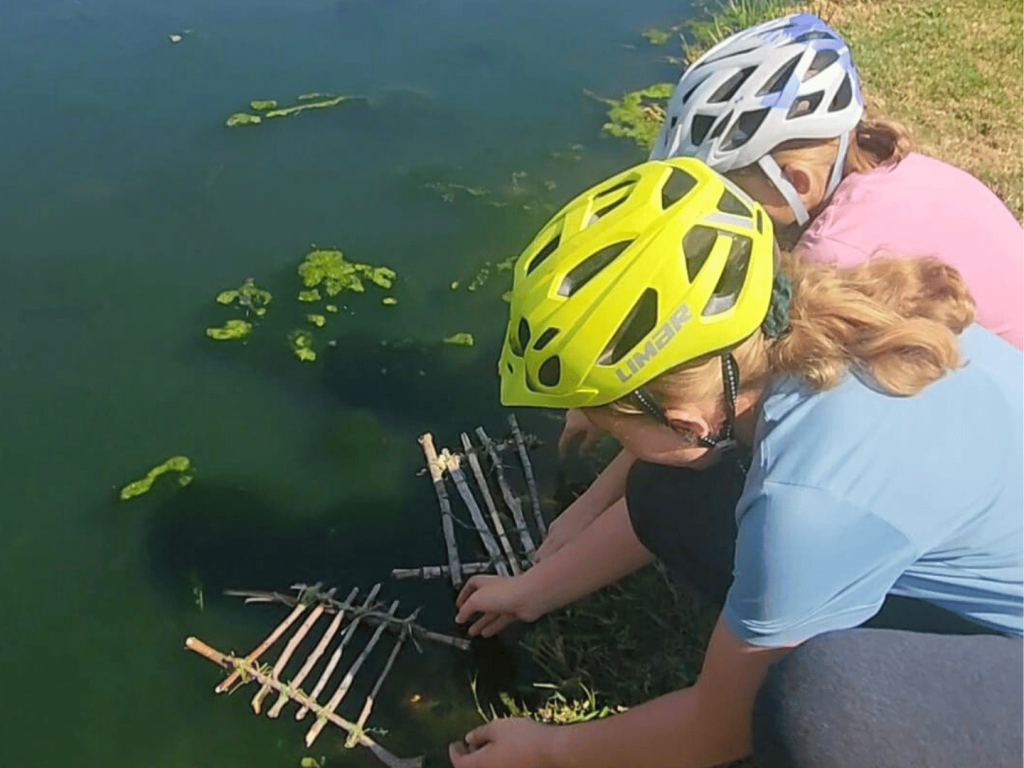
Through a “limited resources” challenge, teens practise generating ideas, experimenting, and adapting—building confidence in problem-solving even when they don’t feel “naturally creative.”
26 July
Trust
Using a guided team process, teens explore what trust looks like in action—how reliability, support, and calm communication help a group feel safer and work better together.
30 August
Conflict & Repair Skills
Through a short exercise and guided reflection, teens explore how people interpret the same situation differently—and practise respectful feedback and simple “reset” skills so relationships can recover quickly.
27 September
Leadership & Collaboration
Through rotating roles in a group task, teens experience leadership as guiding the process—keeping the team organised, inviting participation, and helping everyone contribute.
25 October
Pressure & Values
Through a decision-based activity, teens practise handling social pressure—pausing, choosing what aligns with their values, and responding confidently without escalating conflict.
29 November
Habits, Goal-Setting & Motivation
Using a simple activity and personal planning task, teens learn realistic ways to build good habits—setting small goals, noticing what supports consistency, and choosing one practical next step to try.